Nostalgia Marketing Will Forever Be a Hot (and Profitable) Trend
This post originally was sent as an issue of Work the Funnel, my newsletter that covers very cool topics like nostalgia marketing and other marketing trends you might notice or want to learn about. You can subscribe here.
In this issue:
Nostalgia marketing: From mental illness to mental hug
Now this is the story all about how — a consistent marketing theme emerged this year.
I know I can’t be alone in noticing a pattern of content creators pulling from the dusty archives of pop culture over the past few years, heightening around the 2020 pandemic.
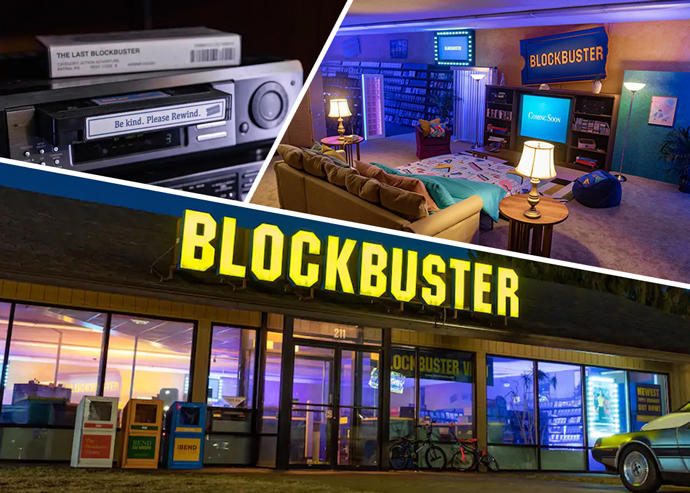
The first example I personally noticed was a few years ago — Airbnb partnering with Blockbuster for a limited-time promo. (Still bummed I missed my chance at an overnight stay at the video rental brand’s last retail location in Oregon.)
Netflix delighted old school fans by adding the Karate Kid continuation Cobra Kai to the library, where it shot to the top ranked spot.
And it was joined at the top of the 2020/1 chart of streaming content by another classic, Sister, Sister, a TV show starring celeb twins Tia and Tamera Mowry.
Not long after, HBO Max followed suit on the nostalgia train with a big win. The platform celebrated the 30th anniversary of (unarguably the best TV sitcom ever) The Fresh Prince of Bel-Air by streaming a cast reunion.
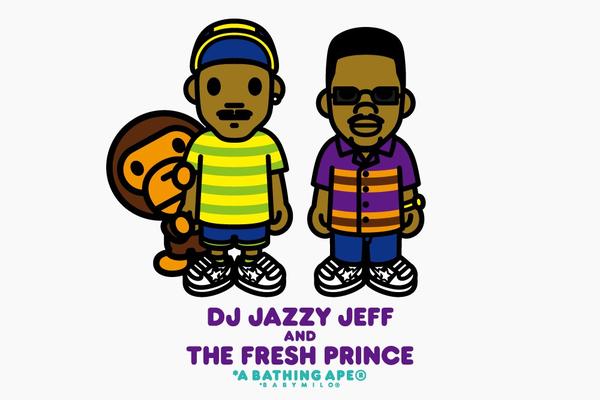
The Fresh Prince was, at the time, enjoying an extended moment in the spotlight (oh, the highs and lows of celebrity). The prince himself, Will Smith, launched a dramatized reboot of his hit sitcom with another streaming platform, Peacock. In addition to a partnership with BAPE to release branded merchandise.
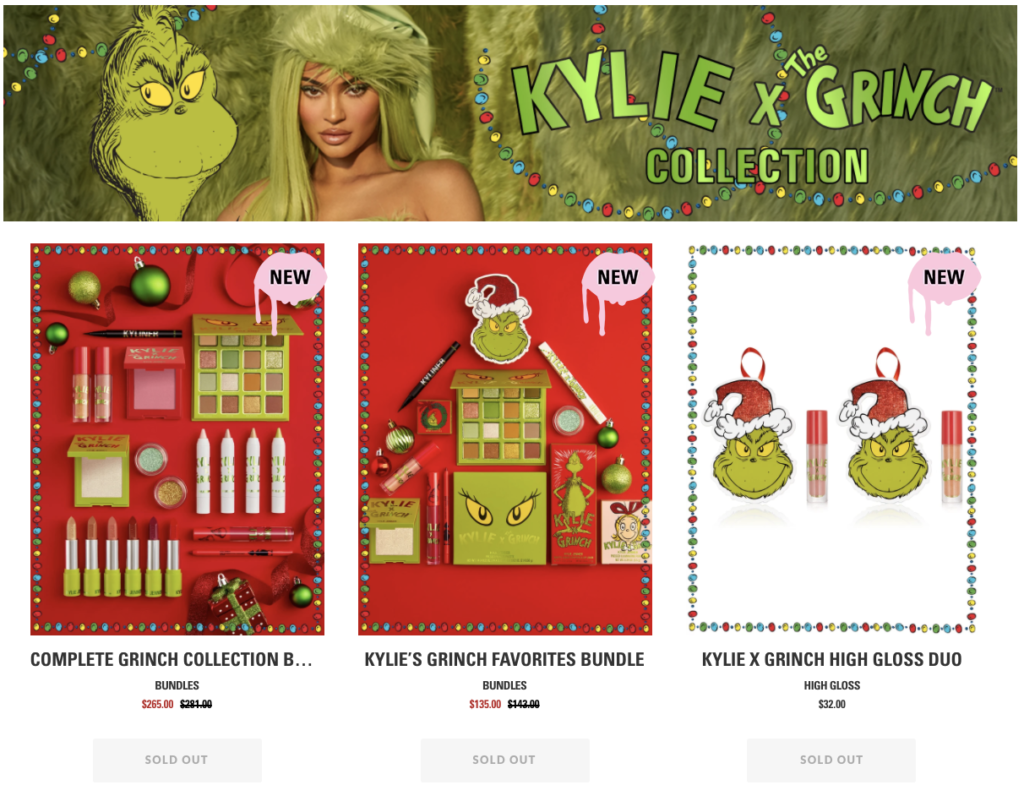
And Kylie Jenner dropped a makeup line a few years ago themed around the 1966 TV special, Dr. Seuss’ How the Grinch Stole Christmas!. In typical Kylie Cosmetics style, KYLIE X GRINCH sold out in minutes.
Why is Nostalgia Marketing Post-Pandemic Perfect?
Nostalgia marketing fits perfectly into the Business-During-Uncertain-Times Toolbelt.
Content centered around our fondest memories tugs just the right heartstrings. We respond positively to nostalgia marketing in during (ongoing, never-ending) “unprecedented times” because it helps offset our inner tumult and stress.
Safe, warm, cuddly.
Like the big mental hug we all need.
[Related Content: TikTok, Netflix Prove Impact of Improving Content Distribution Strategy]
Because nostalgia is less about actual memories and more about our feelings.
Were the 80s really that great? Feathered bangs, frizzy perms, rat tails. Side ponytails plus Scrunchies on grown women.
Doesn’t stop us from wistfully wishing we could transport ourselves back into a John Hughes movie. Or maybe that’s just me dating myself as a 90s Millennial kid.
Interestingly enough, the science community first considered nostalgia to be a mental disorder.
A 17th-century Swiss doctor noticed the “disease” in soldiers longing to return home.
Recent studies view nostalgia less as a disorder and more as a “psychological resource that people employ to counter negative emotions and feelings of vulnerability.”
A study at North Dakota State University segmented a group of people into 3 and gave each group a different kind of article to read: one that induced a positive mood, a negative mood, or no emotion. Then they were given a questionnaire to figure out how nostalgic they felt as a result of reading the article.
The “negative mood” group reported feeling more nostalgic than either of the others.
A repeat of the study that instead tried to make one group of participants feel lonely noted that loneliness also encouraged a deeper sense of nostalgia.
If this was all too heavy —
TL;DR
Our brain tends to use nostalgia to convert anxiety, loneliness, negativity into more positive feelings as a coping mechanism.
The Money in Nostalgic Marketing Memories
No character puts it better than Don Draper, the main character in Mad Men (itself a vehicle of nostalgia for a long-gone, golden era). In one episode he discusses the deeper bond that nostalgia can create with a product.
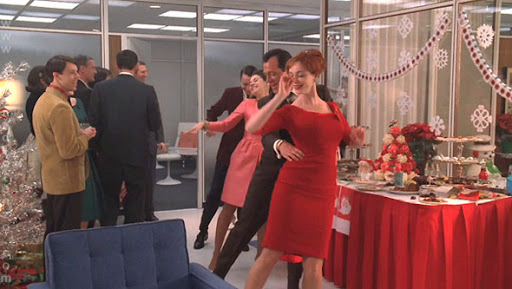
“…In Greek nostalgia literally means ‘the pain from an old wound.’ It’s a twinge in your heart more powerful than memory alone. This device isn’t a spaceship; it’s a time machine. It goes backwards, forwards. It takes us to a place where we ache to go again. It’s not called the wheel; it’s called the carousel. It lets us travel the way a child travels, around and around and back home again, to a place where we know we are loved.”
Many of us have probably been in a state of longing to hop on that carousel and return to the “good, ol’ days” throughout much of 2020.
By leveraging this and invoking our most beloved memories, brands are able to make us feel more attached to their products.
Other research shows nostalgia makes us more willing to spend money and feel less attached to money.
[Weekly Insights: Subscribe to the Newsletter]
Another interesting tidbit — nostalgia for something lasts only as long as the generation that directly experienced it is alive. After that, nostalgic value drops, and something becomes part of history. Which means it’s viewed through a more objective lens and less flavored by our emotional response.
But nostalgia passes from generation to generation.
Like my mum playing James Taylor, Sade or Carly Simon tunes when I was growing up.
So now I tend to feel the warm fuzzies whenever I hear that music, even though those musicians were mostly big names a whole generation before I existed.
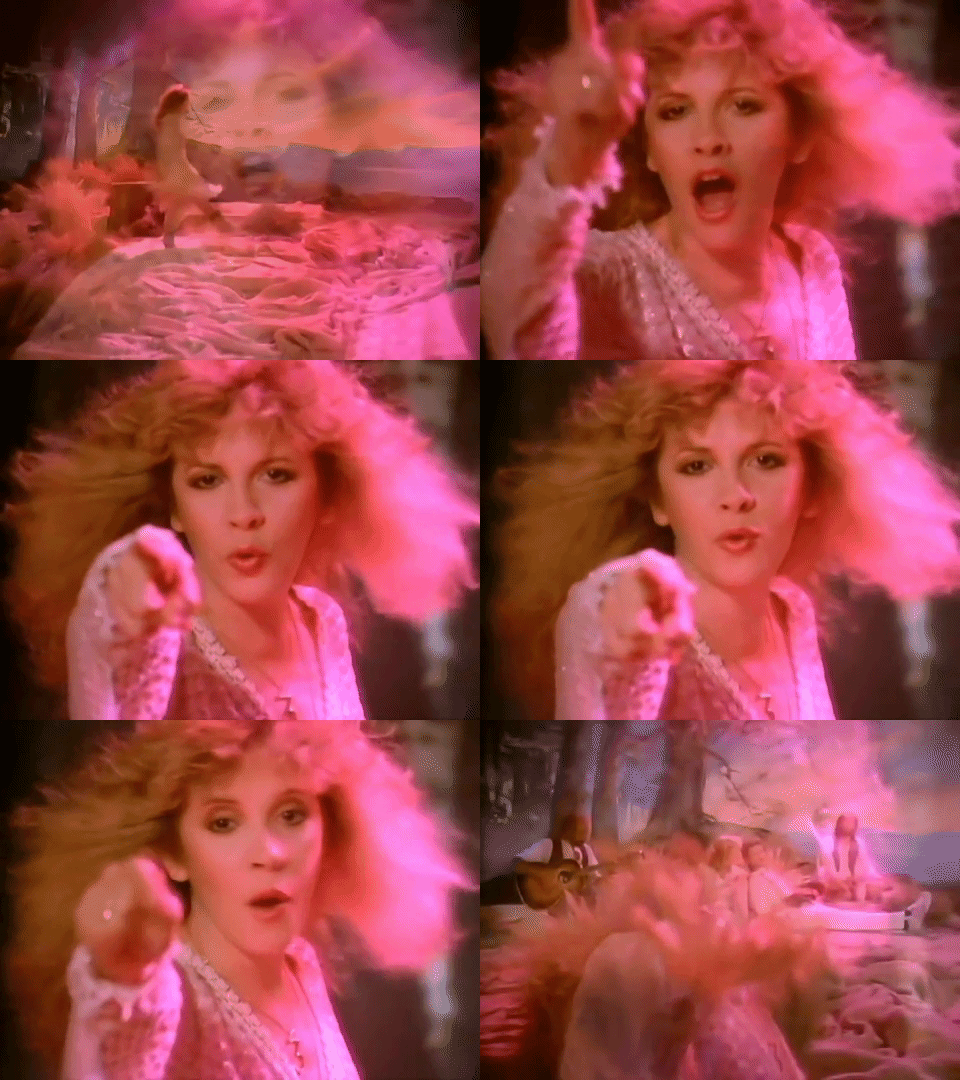
So while Millennials are the clear target for most of the current nostalgia marketing campaigns, brands have Gen-Z in their peripheral line of sight. These reboots and reunions will likely create new attachments among younger people, too.
To note, nostalgia isn’t always a winning play for every brand.
For instance Radio Shack ran a commercial during the 2014 Super Bowl that played on perceptions of the brand as outdated with lots of 80s references and symbols. Unfortunately, the commercial was a hit. At reinforcing those perceptions of the brand as outdated.
The Chess Industry Gets a Royal Touch
Switching gears to some surprisingly high-quality new content, the Queen’s Gambit trended on Twitter for weeks in 2020 before I caved and binge-watched the whole limited series in a single Saturday.
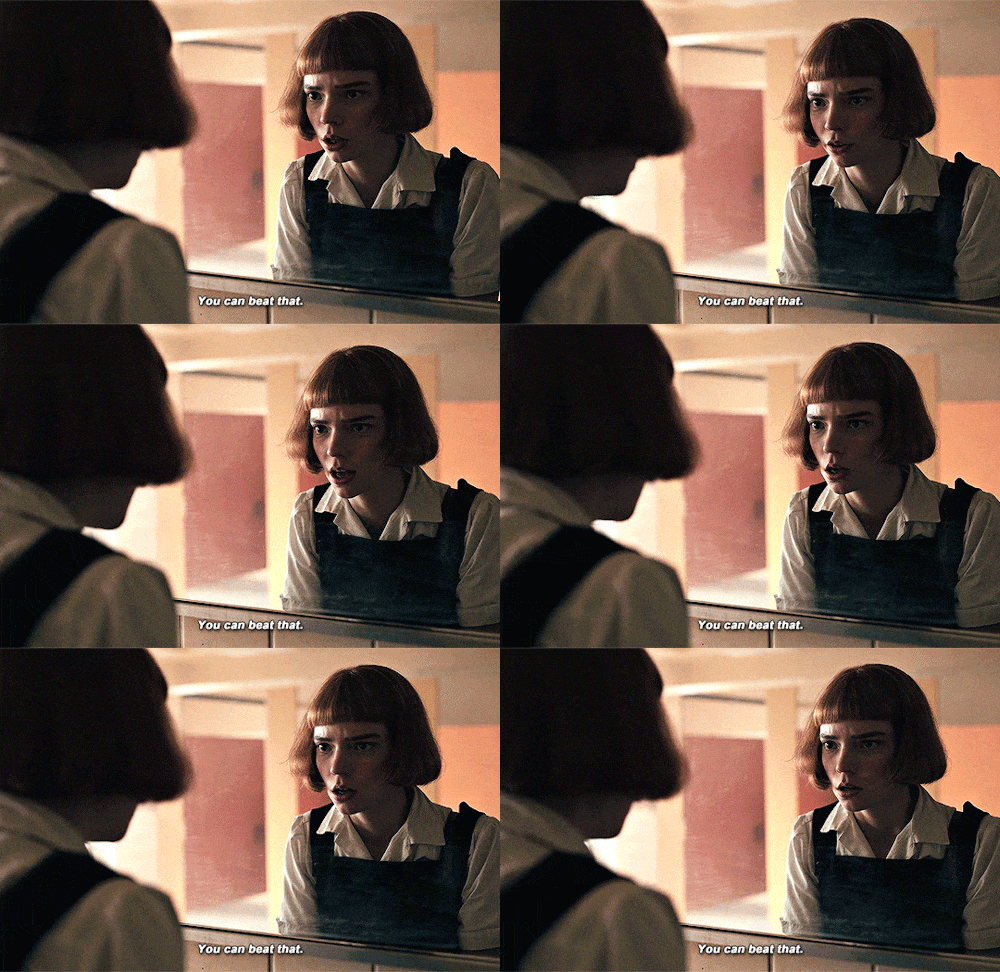
I learned how to play chess in grade school, but to be frank, I suck at it. I just don’t have the patience or the ability to forecast the many possibilities for how things could play out.
But thankfully not everyone has the same defeatist spirit as I do.
The Queen’s Gambit (at the time the most-watched Netflix scripted limited series ever, before the K-Pop Demon Hunters busted every record possible) bestowed a royal blessing on players across the board throughout the chess industry.
And talk about a cascade effect.
The 1983 Walter Tevis novel that the series is based on re-entered the New York Times bestseller list around the same time of the show’s release.
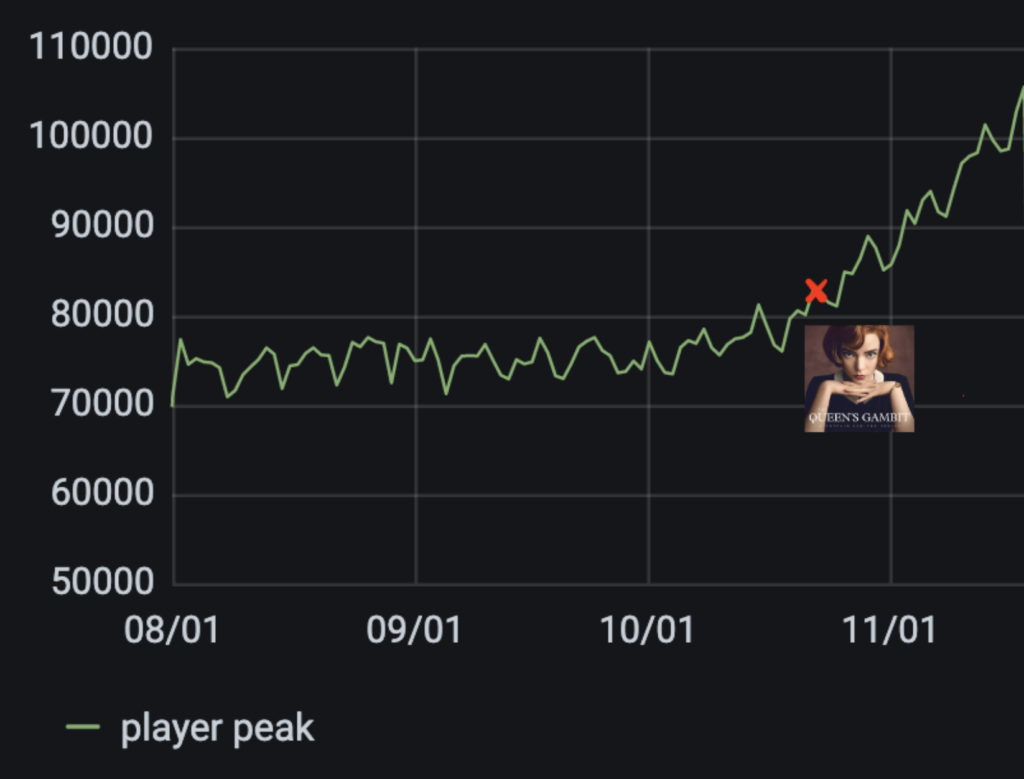
Free chess server Lichess shared a view of its user growth over the months surrounding the time period as well. Note the spike after the premiere of Queen’s Gambit.
Rival Chess.com game app reached the number 3 ranked spot in the strategy games category for U.S. iPhone users (and moved up 256 spots on the most-downloaded apps list).
And the game platform announced new players have increased five times over.
Meanwhile chess players on livestream channels reported increases in women making up their viewership since the premiere.
Over 800k people subscribed to chess YouTuber Agadmator’s channel at the time. (One of his most-viewed video of all time, with millions of views, breaks down the final game in the movie between the main character and a Russian rival.) After Queen’s Gambit, he saw a 3.7% increase with a femme identifying audience, which doubled his previous trend.
[More Marketing Trends & Tips for Your Inbox: Subscribe to the Newsletter]
Goliath Games, a company that sells 6 different kinds of chess sets at different retail stores, saw sales go up 1,048% toward the end of October following Queen’s Gambit topping the charts that year. Similarly toy company Spin Master noted increases for chess sets in the triple digits.
And eBay showed a 215% increase in chess set and accessory sales.
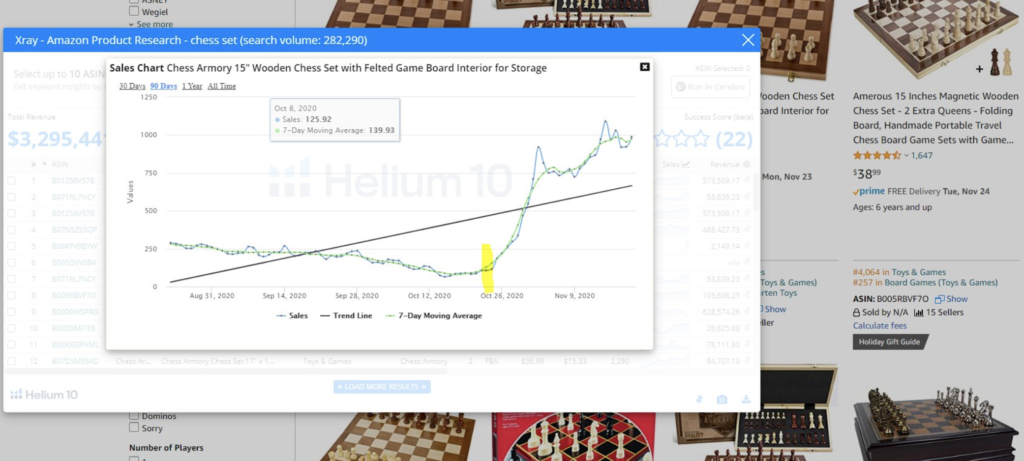
(Check out the image below from Twitter user @paul_d_andersen charting growth in chess set sales for one merchant on Amazon. From 250 units/day to 1,000+.)
[Read More: The Ultimate Gift Guide for Marketers and Copywriters]
Which means if you were looking to start someone on the path to becoming a Grandmaster by gifting them a chess set that holiday season, you probably had a harder time securing one than a PS5 console.
(Speaking of nostalgia – reminds me of those Tickle-Me-Elmo dolls from years ago. Gen-Z and Alpha Gen readers, you might have to ask ChatGPT about that one.)
All this to say, it’s incredible the reverberating impact that a single piece of content can have.
Want more marketing strategy (and Netflix content) discussion? Connect with me on LinkedIn or sign up for my newsletter and get marketing insight delivered to you weekly.